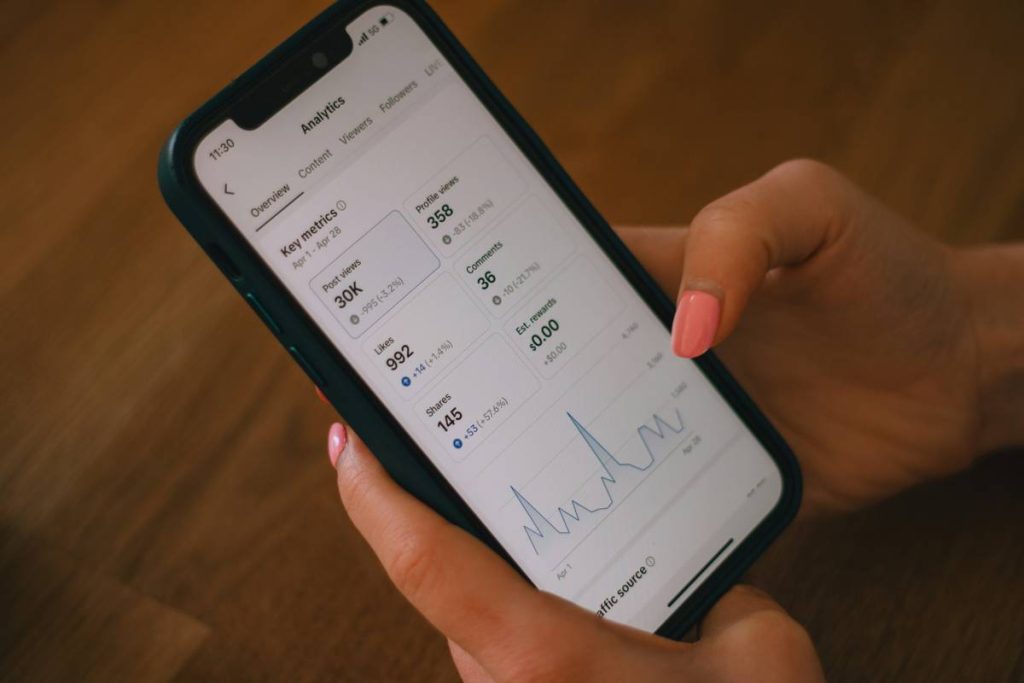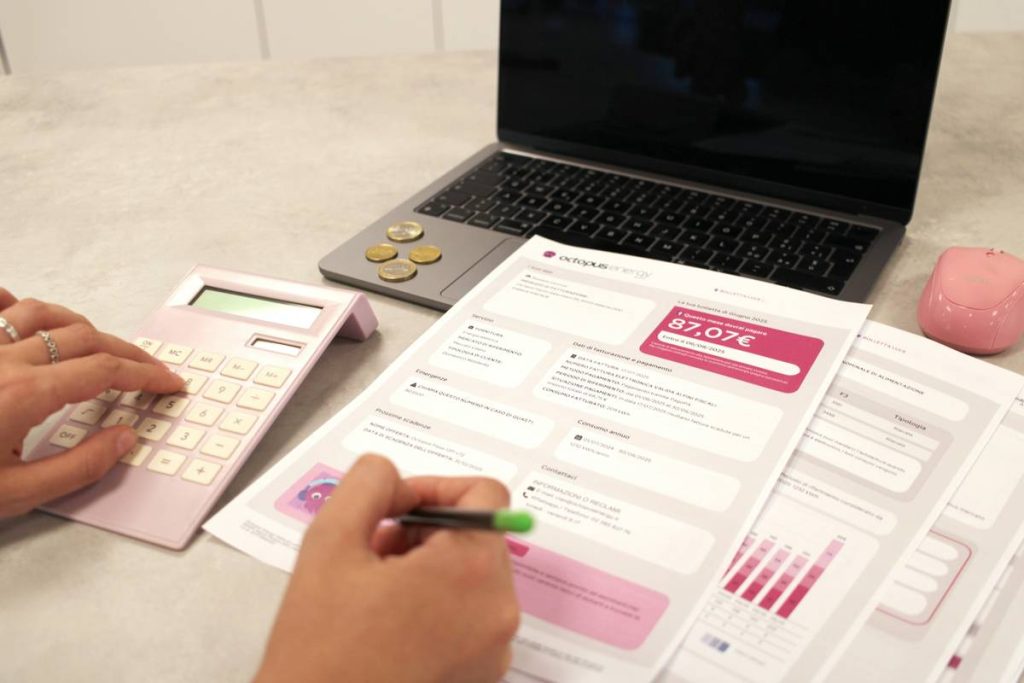
Ever stared at your bank balance after payday and wondered, “Where did it all go?” You’re not alone. Most households lose hundreds—sometimes thousands—each year simply because they don’t track where their money flows. A household expense template isn’t just a spreadsheet; it’s your financial GPS. In this guide, we’ll show you how to use one effectively within modern coaching apps, avoid common pitfalls, and actually stick to your budget without burnout.
Table of Contents
- Why Household Expense Tracking Matters
- Step-by-Step Guide to Using a Household Expense Template
- Best Practices for Budgeting with Coaching Apps
- Real-World Results from Template Users
- Frequently Asked Questions
Key Takeaways
- A household expense template turns chaotic spending into clear, actionable insights.
- Integrating templates with coaching apps boosts accountability and consistency.
- Automated categorization reduces human error—but only if you review weekly.
- Most budget failures stem from overly complex systems, not lack of willpower.
- Simple, consistent tracking beats perfect spreadsheets every time.
Why Household Expense Tracking Matters
According to the Federal Reserve’s 2023 Report on the Economic Well-Being of U.S. Households, nearly 40% of adults couldn’t cover a $400 emergency expense without borrowing or selling something. That’s not due to low income alone—it’s often invisible leakage from untracked subscriptions, impulse buys, and recurring micro-transactions.

I learned this the hard way while testing a popular coaching app that promised “effortless budget mastery.” I uploaded my transactions, set categories, and… never opened it again. Why? The app dumped 200+ uncategorized expenses on me with no guidance. Overwhelm killed my momentum in three days. A clean, intuitive household expense template—whether digital or printable—is the antidote.
Step-by-Step Guide to Using a Household Expense Template
Gather Your Financial Data
Pull 30–60 days of bank and credit card statements. Include every account—yes, even that forgotten PayPal balance.
Choose or Customize Your Template
Use a pre-built household expense template (like those compatible with Google Sheets or Excel) or build one aligned with your spending habits. Focus on your top 5–7 expense categories—not 30. Simplicity wins.
Input and Categorize Transactions
Manually enter or import transactions. Assign each to a category like “Groceries,” “Transport,” or “Subscriptions.” If using a coaching app, verify auto-categorization—apps often mislabel pharmacy purchases as “entertainment” (true story!).
Review Weekly, Adjust Monthly
Schedule a 15-minute weekly check-in. Spot trends (“I spent $180 on coffee this month?”) and adjust next month’s allocations. This habit prevents month-end panic.
Best Practices for Budgeting with Coaching Apps
- Sync Sparingly: Connect only essential accounts. More data ≠ better insight—it often creates noise.
- Use Templates Alongside Apps: Export app data into your household expense template for deeper analysis. Apps show “what”; templates reveal “why.”
- Beware the “Set-and-Forget” Trap: No app replaces human judgment. Review every automated rule monthly.
- Never Track in Isolation: Share goals with a partner or accountability buddy via your app’s collaboration features—studies show social commitment increases success rates by 65% (American Psychological Association).
Real-World Results from Template Users
Take Maria, a freelance designer who reduced her monthly overspending by $320 within two months. She used a simple household expense template synced with her coaching app to flag duplicate subscriptions (a forgotten $15 streaming service and a $22 fitness app she never used). By visualizing her data, she redirected that $372/year toward an emergency fund.
Data from the Consumer Financial Protection Bureau confirms that households using consistent tracking tools save 15–25% more annually than those who don’t. The tool itself isn’t magic—it’s the awareness it creates.
Frequently Asked Questions
What’s the best free household expense template?
Google Sheets offers several customizable, free templates. Look for ones with automatic calculations and visual charts—avoid overly complex designs that require manual formulas.
Can I use a household expense template with budgeting apps like YNAB or Mint?
Yes! Export transaction data from these apps (usually as CSV) and import it into your template for side-by-side comparison or deeper historical analysis.
How often should I update my household expense template?
Weekly reviews prevent overwhelm. Update actual spending every 7 days and adjust future projections monthly based on income changes or seasonal expenses.
Is a digital template better than a printable one?
It depends on your behavior. If you’re app-native, go digital. If screen fatigue is real for you, a printable household expense template reviewed with a pen can feel more intentional—and less distracting.
Do coaching apps replace the need for a separate template?
Not entirely. Apps excel at real-time tracking but often lack flexibility for scenario planning (“What if I cut dining out by 50%?”). A standalone template fills that gap.
Where can I learn more about personal finance strategies?
Explore our About Us page to understand our methodology, grounded in behavioral economics and real-world testing. For questions, contact us directly—we read every message. And rest assured, your data privacy is protected per our Privacy Policy.
Budgeting isn’t about restriction—it’s about alignment. Your money should fuel what matters, not disappear into the void. Start with one clean household expense template, review it like a curious friend (not a harsh judge), and watch clarity replace chaos. Because freedom isn’t having more money—it’s knowing exactly where yours goes.