You booked your dream trip. Flights? Done. Hotel? Confirmed. Then reality hits: you’ve got no real plan for how much you’ll actually spend day-to-day. And that “travel budget template” you downloaded last minute? It’s full of blank cells and zero realism. The result? Overspending by 40%, guilt-ridden splurges, or worse—cutting your trip short. But it doesn’t have to be this way.
Why Generic Travel Budget Templates Set You Up for Failure
Most free templates treat travel like a spreadsheet fantasy. They assume fixed daily costs, ignore currency fluctuations, and pretend ATM fees don’t exist. They’re built for vacations in theory—not messy, beautiful, unpredictable real life.
And here’s the kicker: they never account for behavioral leakage. That’s finance-speak for the $8 coffee you didn’t plan for but bought anyway because you were jet-lagged and overwhelmed. Over a 10-day trip? That’s $80 gone—vanished from a category that didn’t even exist in your template.
Build a Travel Budget Template That Actually Works
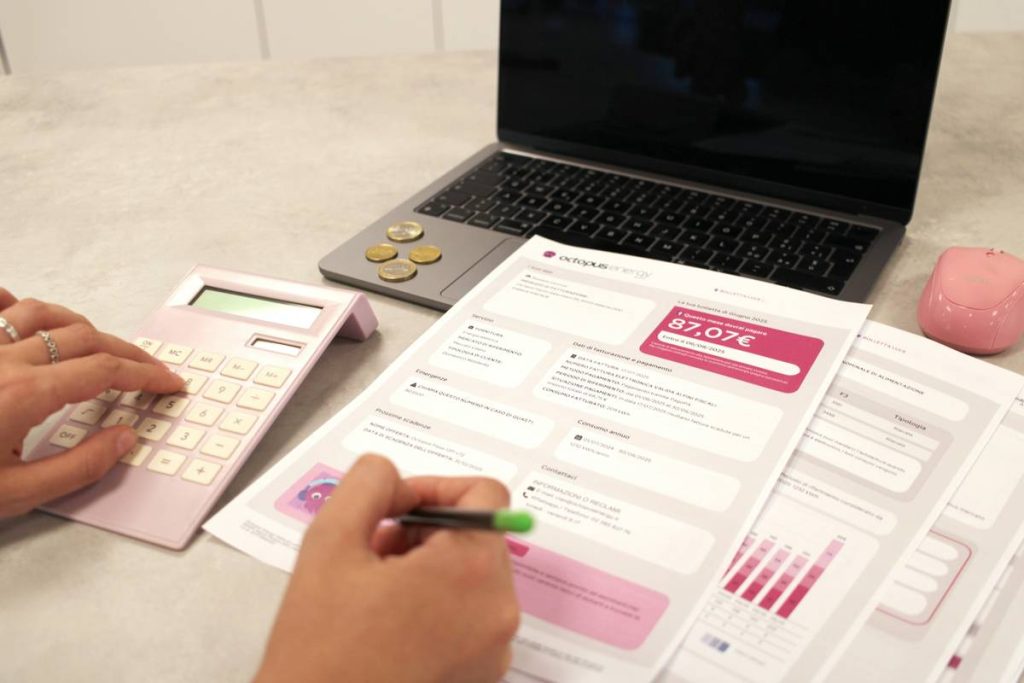
Forget copying someone else’s framework. Real budgeting starts with your actual habits—not Pinterest-perfect ideals. Here’s how:
Step 1: Track Your Baseline Spending (At Home)
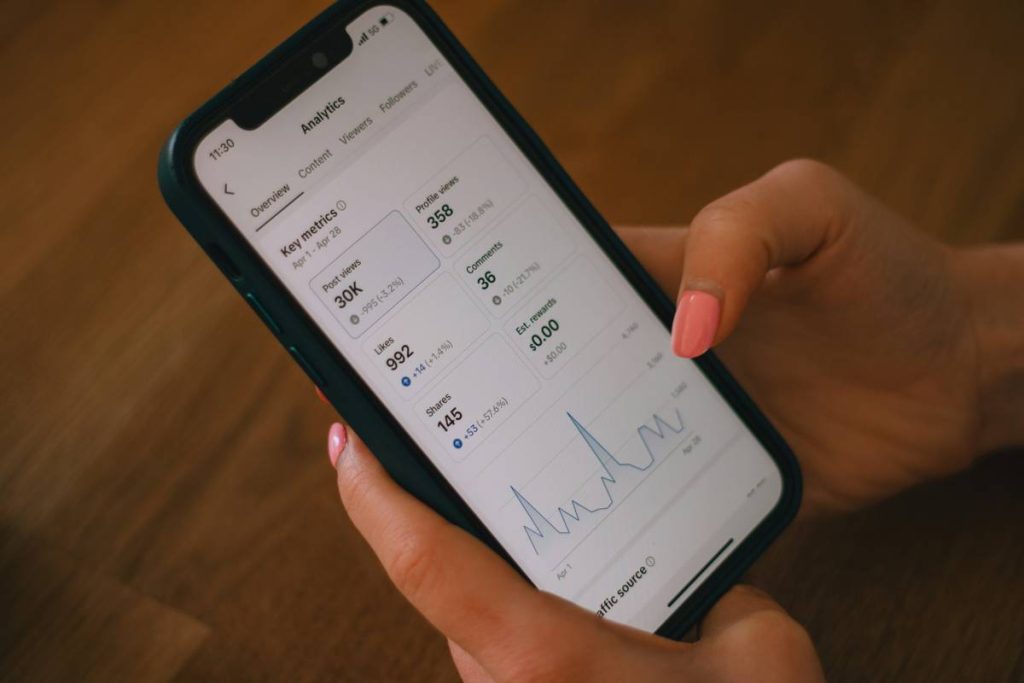
Before you even research flights, log 30 days of domestic spending. Use your bank app or a coaching app like YNAB or Monarch Money. Why? Your travel habits mirror your home habits. If you eat out four times a week now, you won’t suddenly cook in a hostel kitchen abroad.
Step 2: Categorize Like a Pro—Not a Tourist
Ditch vague buckets like “miscellaneous.” Instead, use these battle-tested categories:
- Pre-Trip Fixed Costs (visas, travel insurance, gear)
- Daily Variable Spend (food, local transit, tips)
- Experience Buffer (museums, tours, cooking classes)
- Leakage Fund (yes, budget for unplanned spending—it prevents blowouts)
Step 3: Stress-Test Your Numbers
Add 25% to every estimate. Seriously. Exchange rates shift. Trains get canceled. You find a leather jacket you can’t live without. Building in cushion isn’t pessimism—it’s precision.
| Budgeting Method | Setup Time | Accuracy Risk | Best For |
|---|---|---|---|
| Paper Template (Generic) | 5 min | High | Short city breaks with fixed itineraries |
| Spreadsheet with Formulas | 30–60 min | Medium | Multi-country trips needing currency conversion |
| Integrated Coaching App + Custom Template | 15 min (after setup) | Low | Repeat travelers who want real-time alerts and behavioral insights |
The Industry Secret: Sync Your Template With a Live Coaching App
Here’s what no personal finance blog tells you: standalone templates are dead weight after day two of your trip. The real power comes when your travel budget template talks to an app that tracks spending in real time.
Coaching apps like Copilot or Emma connect directly to your bank accounts. Set a daily limit for “Local Eats,” and your phone buzzes when you hit 80%. No manual entry. No guesswork. Just automatic guardrails that adapt as you go. Think about it—why rely on static numbers when your money moves dynamically?
And yes, this works even offline. Many apps cache data and sync when you reconnect. The math is simple: automation beats motivation every time.
Frequently Asked Questions
How far in advance should I start using a travel budget template?
Begin at least 60 days pre-trip. This gives time to adjust savings, spot overestimates, and build your Leakage Fund without panic.
Can I use the same template for solo and group travel?
No. Group trips need shared cost tracking and split-payment logic. Use a collaborative app like Splitwise layered atop your core template.
What if my actual spending exceeds the template mid-trip?
Don’t scrap it. Reallocate from your Experience Buffer or Leakage Fund. If both are empty, log the overspend as data—not failure—for your next trip.